What does the UNLOCKD Undercar Pressure Washer clean?
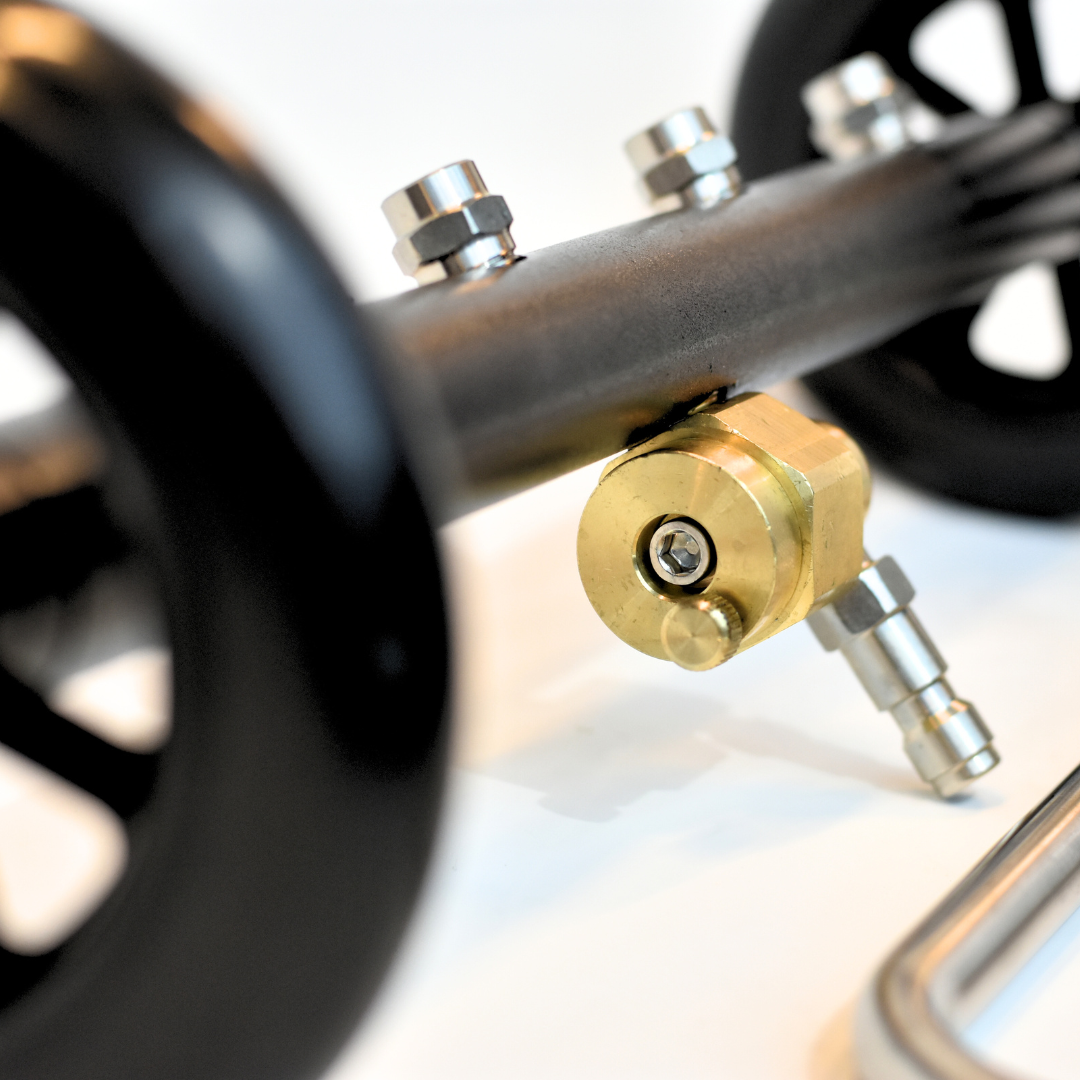
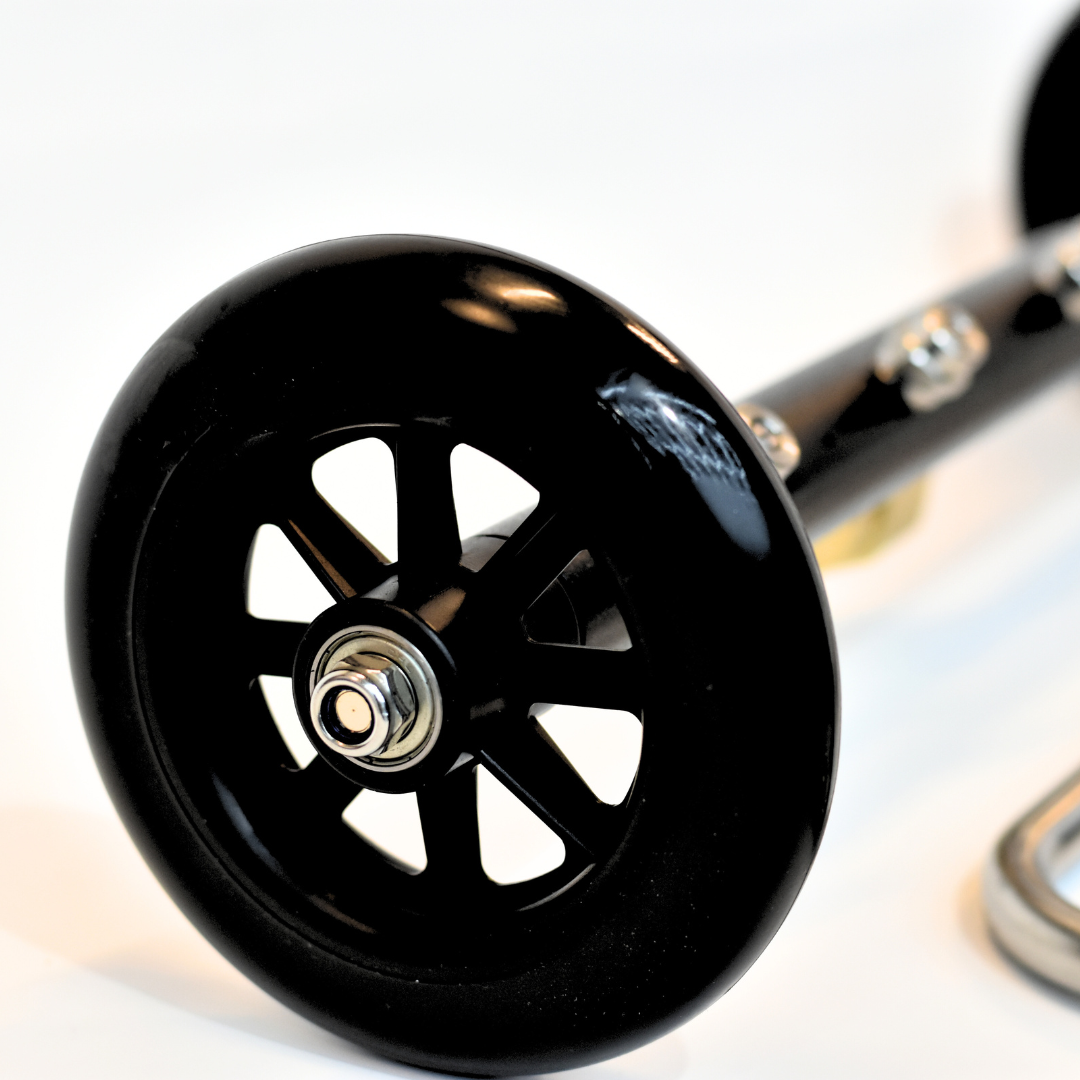
The UNLOCKD Undercar Pressure Washer is a 2-in-1 pressure washer attachment designed to clean vehicle undercarriages and flat outdoor surfaces. Its four high-pressure nozzles create a broad, consistent spray across a 24-inch cleaning path, helping flush away road salt, mud, road grime, sand, and loose debris from beneath cars, trucks, SUVs, and trailers. The wheeled design reaches areas that are difficult to clean with a standard pressure washer wand. When configured for surface cleaning, it can also be used on suitable driveways, garage floors, patios, and other durable flat surfaces.
Will this undercarriage cleaner work with my pressure washer?
It is designed for compatible pressure washers operating between 1500 and 4000 PSI and connects through a standard 1/4-inch quick-connect fitting. Before purchasing, confirm that your pressure washer gun or extension wand accepts a 1/4-inch quick-connect accessory and that the machine’s rated pressure falls within the supported range. Cleaning performance can also vary with water flow, so a pressure washer with stronger flow may provide faster rinsing and more effective debris removal. Never exceed the attachment’s 4000 PSI maximum operating pressure, and follow the safety instructions supplied with your pressure washer.
Can an undercarriage pressure washer remove winter road salt?
Yes. This attachment helps flush loose road salt, salty slush, sand, and winter road film from exposed areas beneath a vehicle. Its upward-facing spray reaches across a wider section of the underbody than a conventional pressure washer wand, making it especially practical for Canadian winter maintenance. For heavier buildup, pre-treat accessible areas with an appropriate automotive cleaner before rinsing thoroughly. Pressure washing removes contamination but does not replace rustproofing or repair existing corrosion. Regular undercarriage rinsing is most effective when performed before salt and grime are allowed to remain on the vehicle for extended periods.
How do I use the UNLOCKD Undercar Pressure Washer under a vehicle?
Connect the assembled attachment to a compatible pressure washer using its 1/4-inch quick-connect fitting. Place it on level ground beside the vehicle, start with controlled pressure, and guide the wheeled cleaning head slowly beneath the undercarriage. Use overlapping passes from different directions so the spray reaches across the centre, sides, wheel-area components, and other accessible sections. Avoid holding concentrated pressure against one vulnerable area for too long. Extra care should be taken around loose wiring, damaged components, exposed connectors, deteriorated coatings, and other pressure-sensitive parts. Allow the undercarriage to drain and dry after rinsing.
Can it be used on low cars, trucks, SUVs, and trailers?
The low-profile wheeled design is intended to travel beneath many cars, trucks, SUVs, and trailers, but actual compatibility depends on the vehicle’s ground clearance and underbody layout. Before turning on the pressure washer, confirm that the cleaning head and its connection can move freely beneath the vehicle without striking bodywork or components. Lowered vehicles, aerodynamic undertrays, skid plates, and unusually low suspension may restrict access. For larger or heavily soiled vehicles, make several slow, overlapping passes rather than relying on one quick rinse. Never crawl underneath a vehicle while the pressure washer is operating.
How does the 2-in-1 undercarriage and surface-cleaning function work?
The attachment can be configured to direct water upward for undercarriage cleaning or downward for washing durable flat surfaces. In surface-cleaning mode, the four nozzles and 24-inch cleaning path help rinse broad areas such as concrete driveways, garage floors, patios, and similar pressure-washer-safe surfaces. Always confirm that the material can tolerate high-pressure water before cleaning the full area. Begin with a small, inconspicuous test section—especially on painted floors, pavers, aged concrete, coated surfaces, or damaged materials—and adjust your pace or pressure if you notice etching, lifting, or uneven cleaning.
Do I need soap or degreaser when cleaning a vehicle’s undercarriage?
Not for routine rinsing. Pressurized water can remove loose salt, mud, sand, and surface debris on its own. For oily road film, packed mud, or stubborn grime, an appropriate automotive degreaser or underbody cleaner may improve results when applied separately according to its directions and then thoroughly rinsed. Do not assume that every chemical can be drawn through the attachment; follow the chemical-use instructions for your pressure washer and cleaner. Avoid applying aggressive products to hot surfaces, and do not allow cleaning chemicals to dry. Collect or manage runoff in accordance with local requirements.
How often should I pressure-wash my vehicle’s undercarriage?
Frequency depends on driving conditions rather than a fixed schedule. Rinse the undercarriage more often during Canadian winter, after driving on heavily salted roads, following off-road trips, or whenever mud, sand, and road grime accumulate underneath the vehicle. Daily drivers used in mild, dry conditions may need less frequent cleaning. Do not leave packed mud or salt deposits in place longer than necessary, particularly around wheel wells, suspension areas, seams, and other debris-catching locations. A thorough rinse after severe exposure, followed by periodic maintenance cleaning, is generally more effective than waiting for heavy contamination to build up.
How should I maintain the attachment and prevent clogged nozzles?
After use, disconnect the pressure washer, relieve stored pressure, and rinse away any remaining dirt or chemical residue. Inspect the four nozzles periodically for mineral deposits or debris that could create weak or uneven spray patterns. Clean blocked openings carefully using an appropriate nozzle-cleaning tool while the unit is fully disconnected—never while it is pressurized. Check the quick-connect fitting, wheels, wand sections, and connections for looseness, wear, or leakage before each use. Drain the attachment after cleaning and store it in a dry, protected location. In freezing climates, never leave trapped water inside the system where it can freeze and damage components.