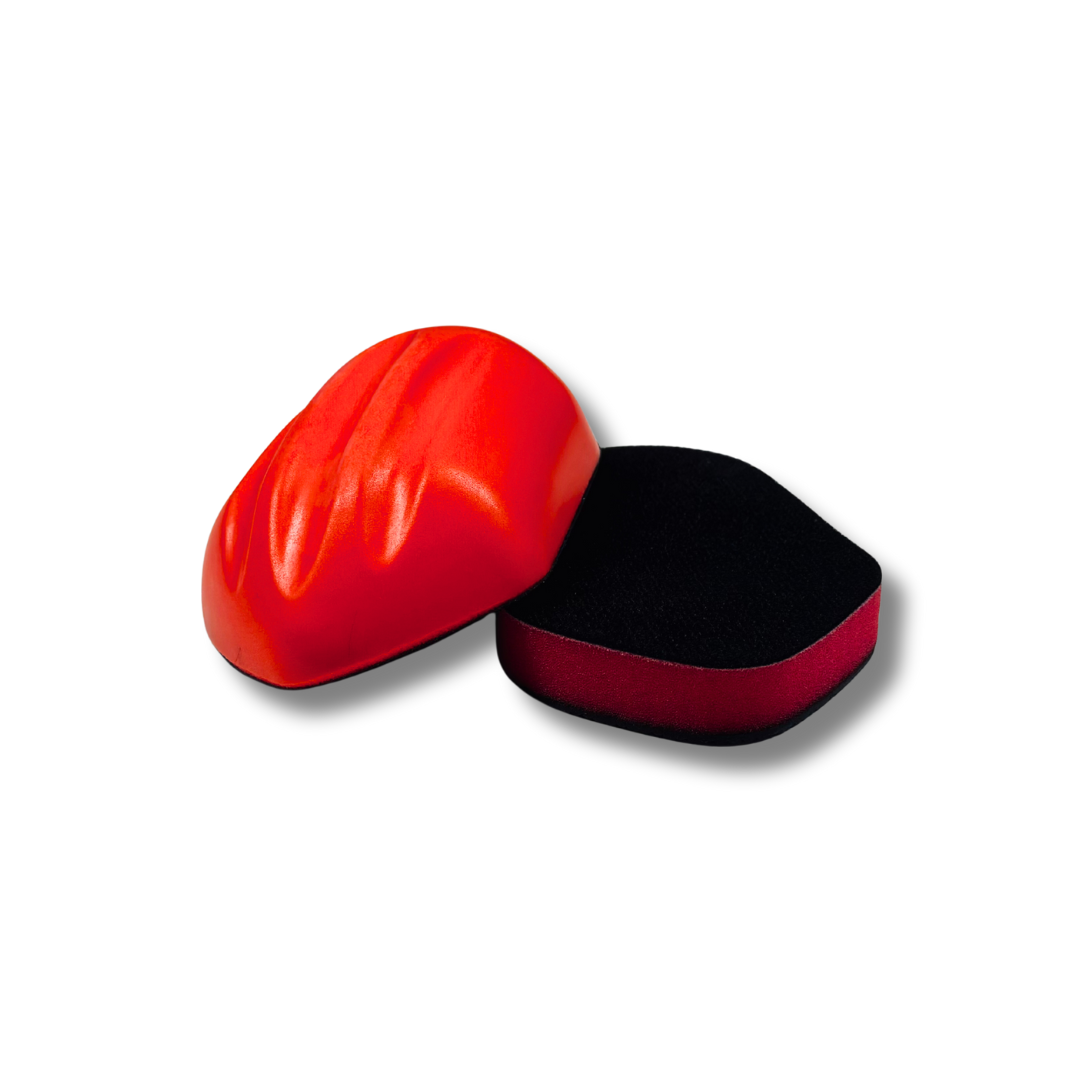
What does the UNLOCKD Clay Bar Pad With Holder remove from car paint?
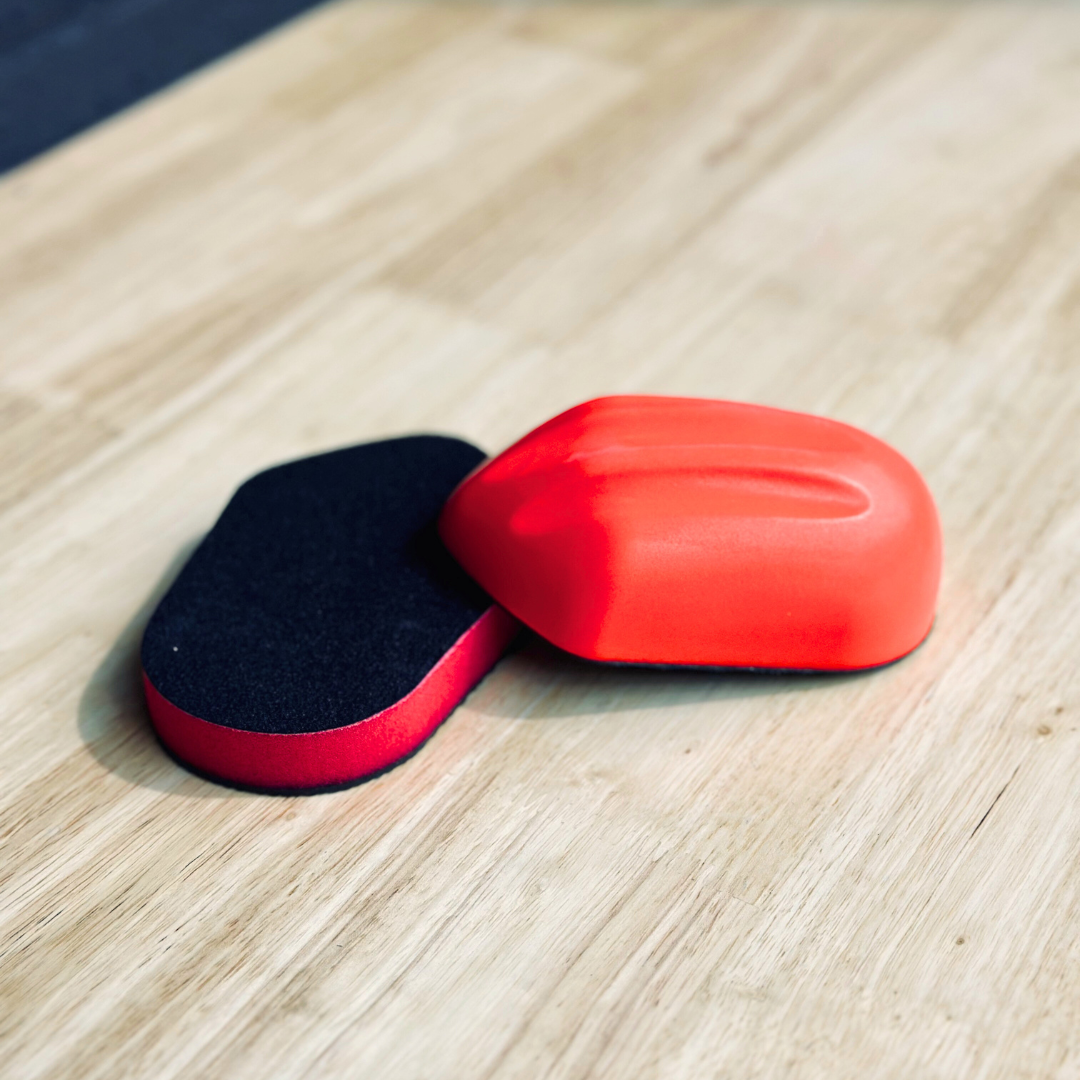
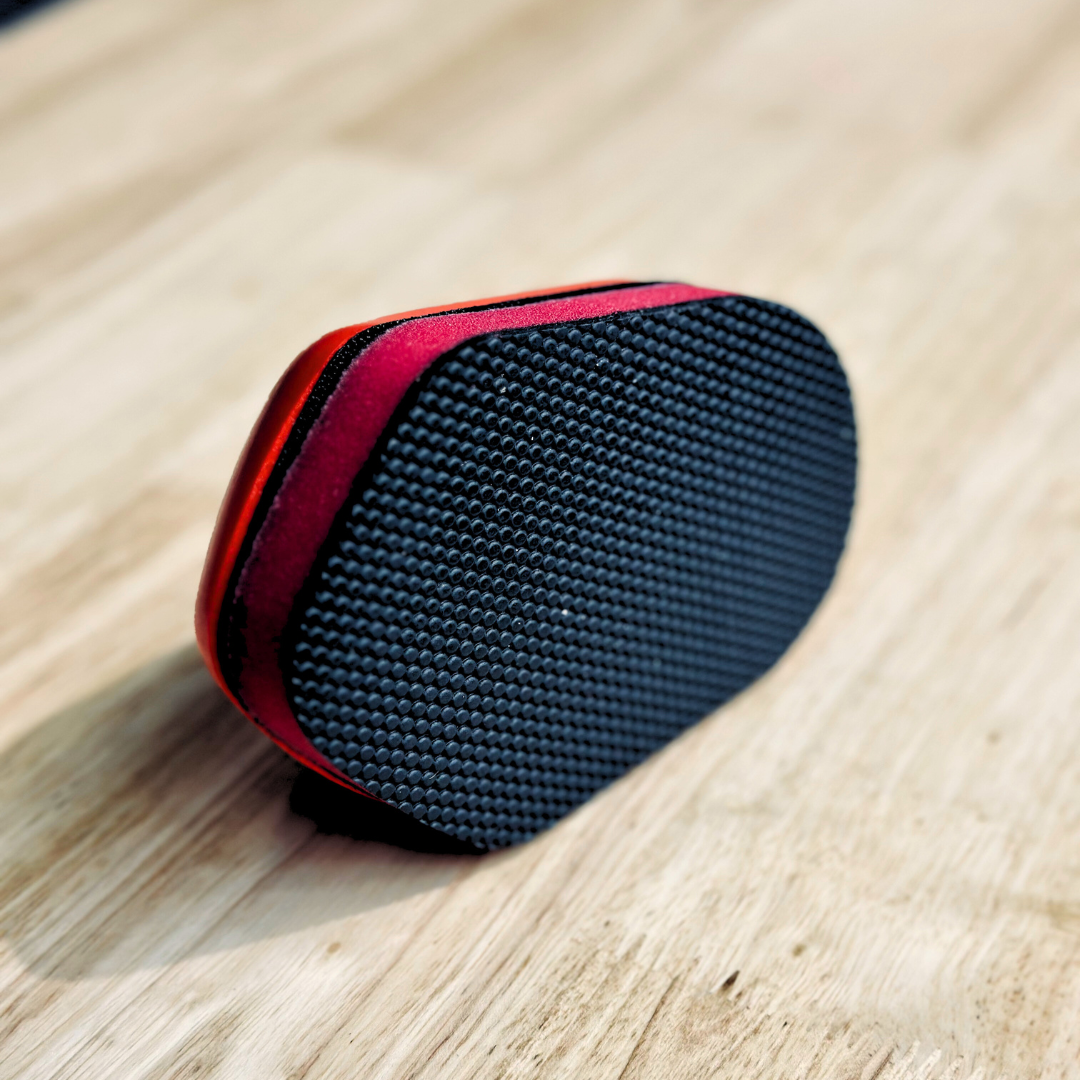
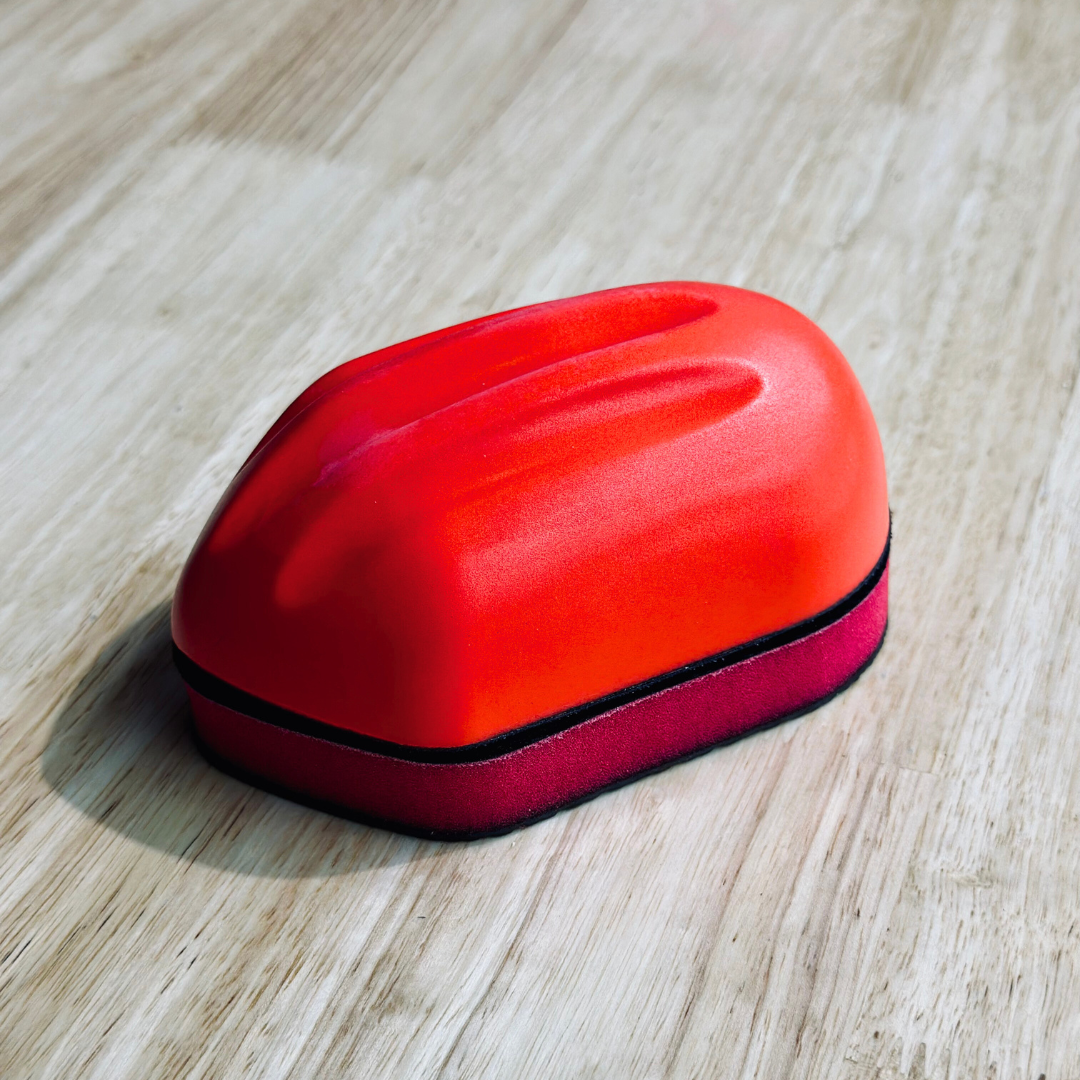
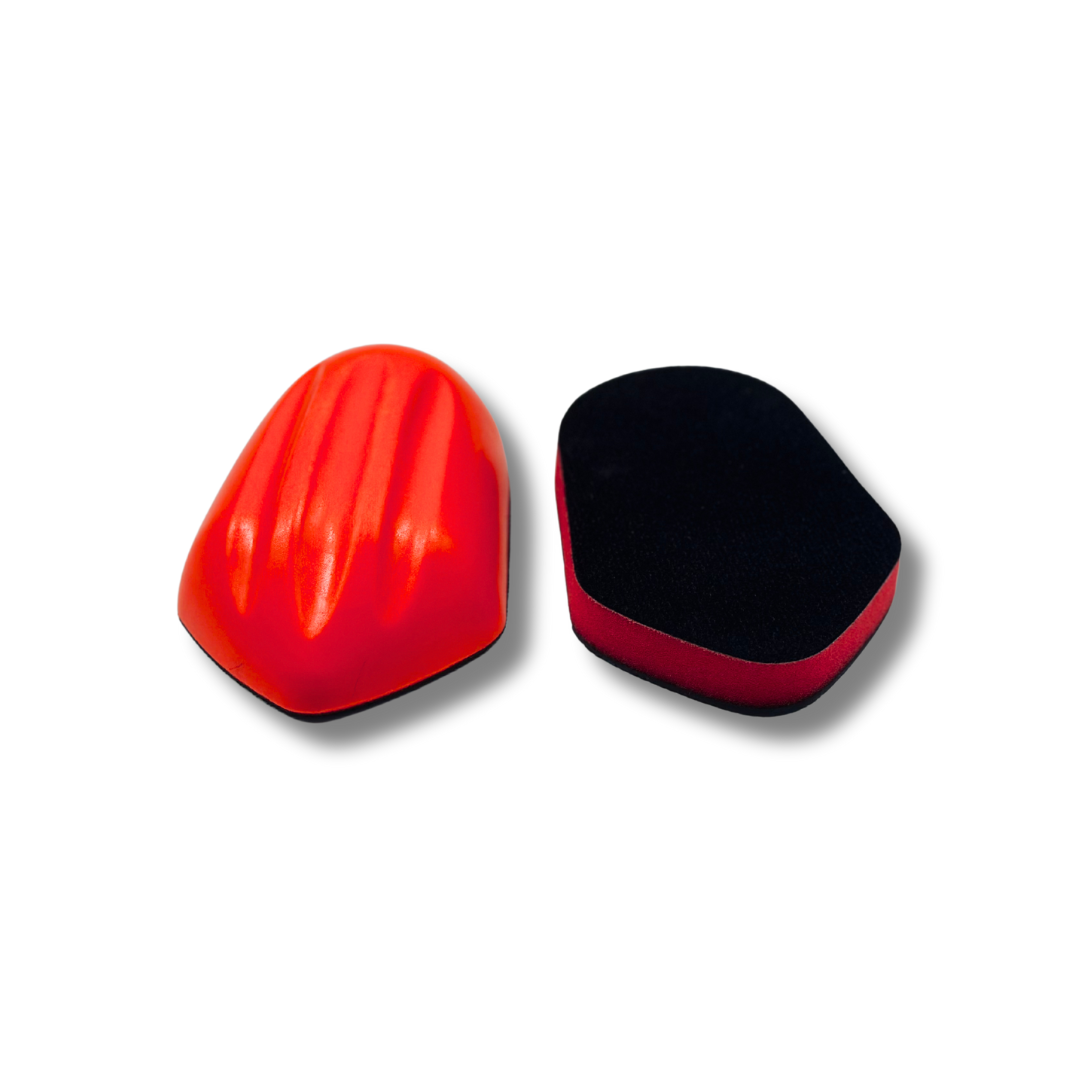
The UNLOCKD Clay Bar Pad With Holder removes bonded surface contamination that can leave paint feeling rough even after washing. Its synthetic clay surface helps lift contaminants such as brake dust, industrial fallout, and light overspray, preparing the surface for polishing or protection. The red foam holder provides a comfortable grip for controlled application. Expect a smoother, cleaner-feeling surface—not scratch removal or a protective coating. For stubborn tar or hardened sap, use an appropriate targeted cleaner first rather than repeatedly scrubbing the spot with the pad.
How is a synthetic clay pad different from a traditional clay bar?
A synthetic clay pad offers a rinseable working surface attached to a holder, while a traditional clay bar is shaped and kneaded by hand to expose clean clay. The UNLOCKD pad’s foam grip makes it convenient to hold during repeated passes across body panels, without needing to fold the material. Both tools require lubrication and careful inspection during use. The practical advantage is handling and maintenance: you can rinse collected debris from the pad as you work. Neither option makes heavy pressure or working over loose dirt safe.
How do I use the clay pad, and what lubricant should I use?
Wash and rinse the vehicle thoroughly, then apply a dedicated lubricant suitable for synthetic clay to a small section approximately 60 × 60 cm. On cool paint in the shade, glide the pad gently back and forth with light pressure, keeping the contact area wet. Wipe away residue with a clean microfiber towel and rinse the pad before continuing. Do not use plain water as your only lubricant. If using a concentrate, follow its clay-lubrication dilution instructions; there is no universal ratio. Stop and add lubricant if the pad starts dragging.
Can a clay pad scratch paint, and does it remove existing swirl marks?
Claying can cause fine marring if grit becomes trapped against the paint, lubrication is insufficient, or excessive pressure is used. It does not remove existing scratches or swirl marks; those require a separate paint-correction process. Wash thoroughly, inspect the pad frequently, and test a small area before treating the whole vehicle. Use especially gentle technique on soft or dark paint, where fine marks can be more noticeable. After decontamination, inspect the finish under good lighting and polish if needed before applying your chosen protection.
Do I need an iron remover as well as a clay pad?
An iron remover and a clay pad perform different jobs. An iron remover chemically targets ferrous contamination, while a clay pad mechanically removes bonded surface contamination. If the paint has iron deposits, using a suitable iron remover first can reduce the contamination left for the pad to tackle. Follow the cleaner’s directions and rinse thoroughly before claying. Then assess the surface: if it already feels smooth, additional mechanical decontamination may be unnecessary. For tar or sap, choose a cleaner intended for that contamination rather than assuming iron remover will address it.
Can I use this clay pad on a ceramic-coated car?
Check your coating manufacturer’s maintenance instructions before using the UNLOCKD clay pad on an existing ceramic coating. Mechanical decontamination can affect the coating, so it should not automatically become part of every maintenance wash. Start with washing and any chemical decontamination approved for that coating. If bonded contamination remains, ask the coating manufacturer or installer whether claying is appropriate. Preparing bare paint for a new ceramic coating is a different use case: claying can be part of that preparation, followed by any necessary polishing and the coating’s specified surface-cleaning steps.
Can I use the clay pad on glass, PPF, vinyl wraps, or matte paint?
The UNLOCKD product page lists glass among its intended surfaces, but that does not establish compatibility with every coating, film, or finish. For treated glass, paint protection film, or vinyl wraps, confirm that the surface manufacturer permits synthetic clay before proceeding. Avoid using it on matte or satin finishes without explicit approval; preserving their appearance requires finish-specific care. For compatible glass, clean thoroughly first and use ample lubricant. A clay pad targets bonded contamination and should not be expected to correct etched water spots or scratches.
How often should I clay my car, especially after a Canadian winter?
Clay according to the paint’s condition rather than a fixed schedule. After a thorough wash, gently check clean paint for persistent roughness; if it feels smooth, there is little reason to clay it again. Spring is a useful time to assess a daily driver, but winter salt and loose road grime should be removed through proper washing first. Use the pad only for bonded contamination that remains. Outdoor parking, industrial fallout, and driving conditions influence how quickly contamination returns, so claying is an occasional preparation step rather than a weekly maintenance task.
How many times can I reuse the clay pad, and what if I drop it?
The UNLOCKD Clay Bar Pad With Holder is reusable, but there is no confirmed number of vehicles or applications per pad. Its usable life depends on contamination levels, cleaning, storage, and the condition of the synthetic surface. Rinse frequently during use and thoroughly afterward, then store it clean and protected from grit. If dropped, stop and rinse it carefully before inspecting the entire working surface. Do not reuse it if particles remain embedded or the surface is damaged. A pad that cannot be cleaned properly should be replaced.